Projects
Projects Ongoing...
Avail PMKSY- PDMC Scheme Benefit
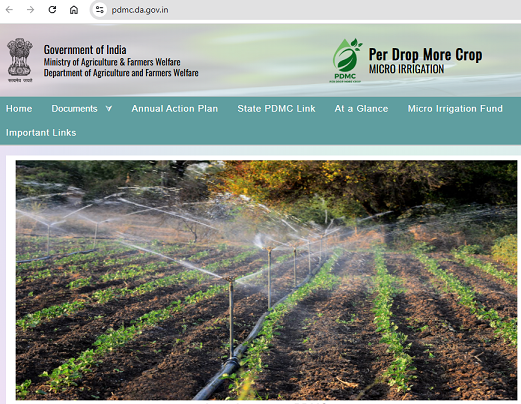
The Government of India launched the Pradhan Mantri Krishi Sinchayee Yojana (PMKSY) in 2015. Its flagship component, Per Drop More Crop (PDMC), focuses on improving water-use efficiency at the farm level through micro-irrigation techniques such as drip and sprinkler systems. Visit https://pmksy.gov.in for more details.
We explain the details of the scheme—including how to apply, eligibility, required documents, and step-by-step application process.
We also collect applications and submit them to the concerned office free of charge.
Monthly Nutritional Lunch Programs (MNLP)
Balika Krishi Udyan (Horticulture)
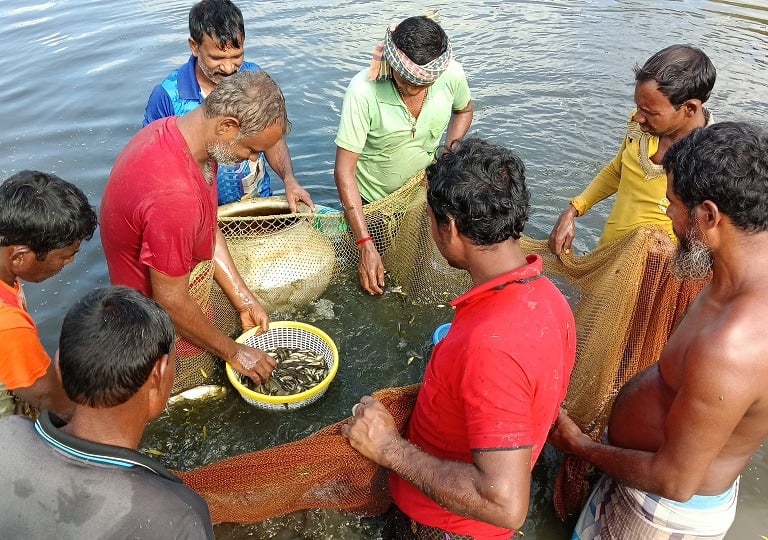
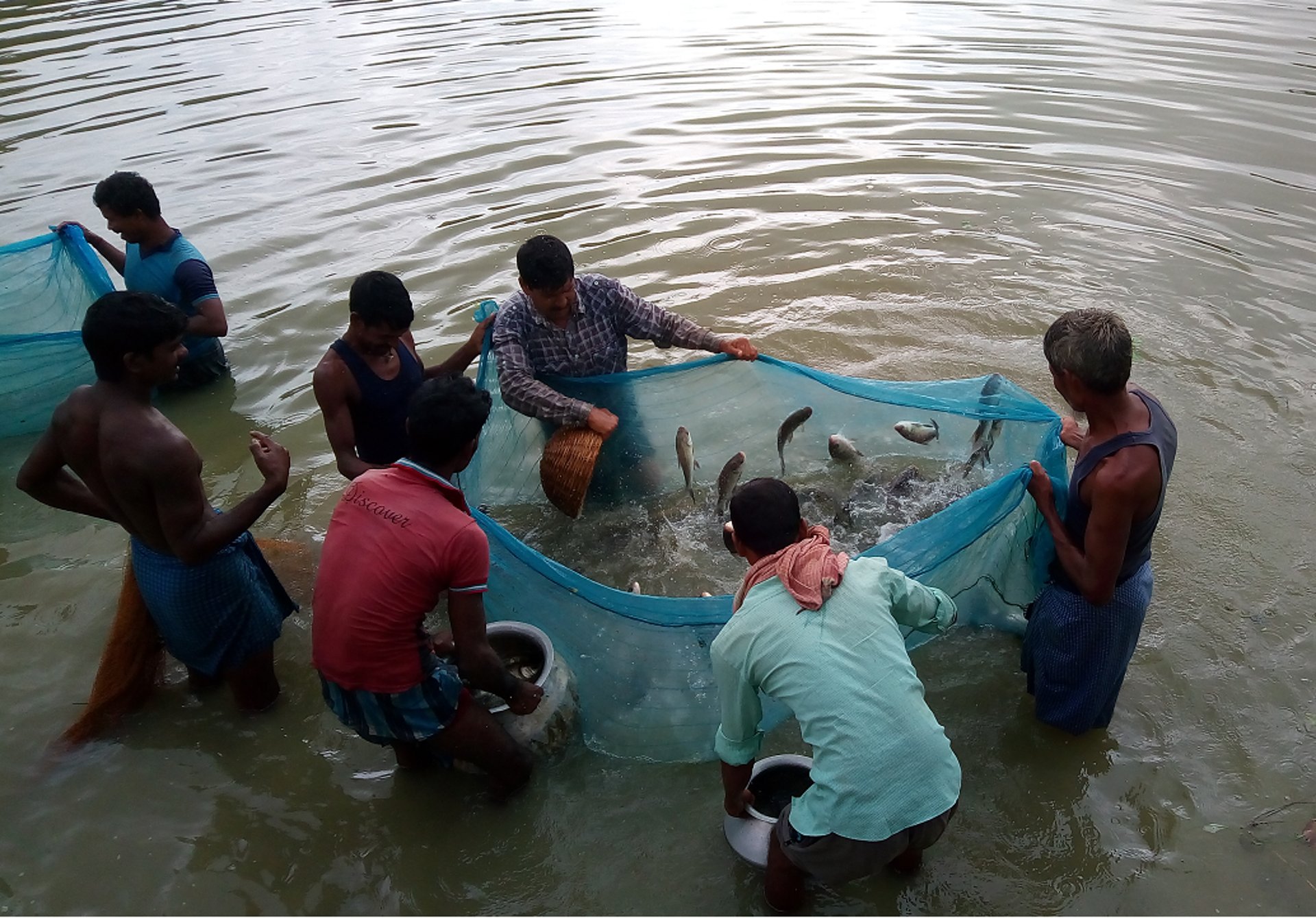
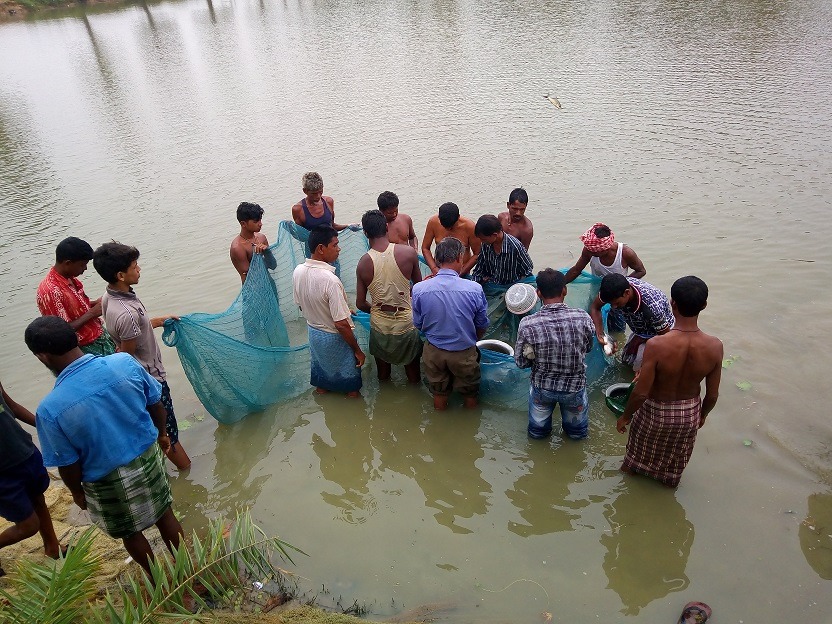
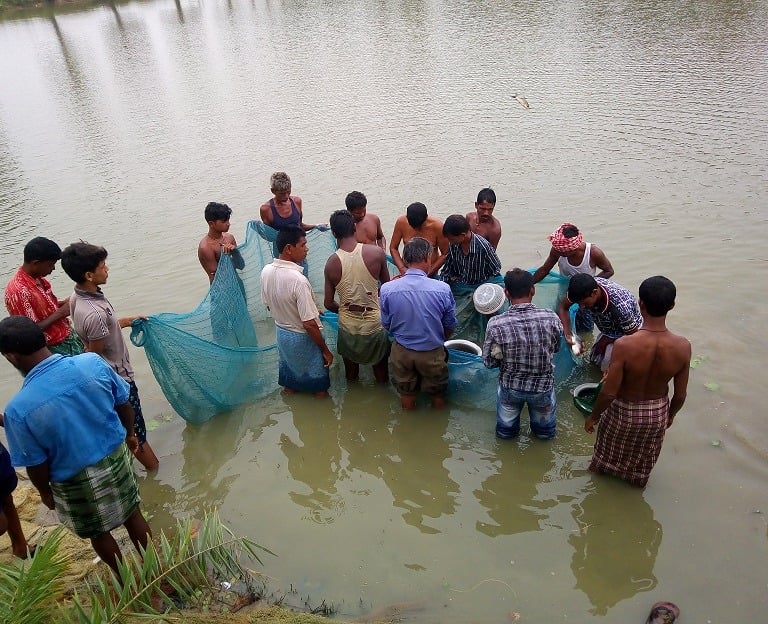
Fakir Bandh Fishery Project
VECT Medicinal Plant Gardens
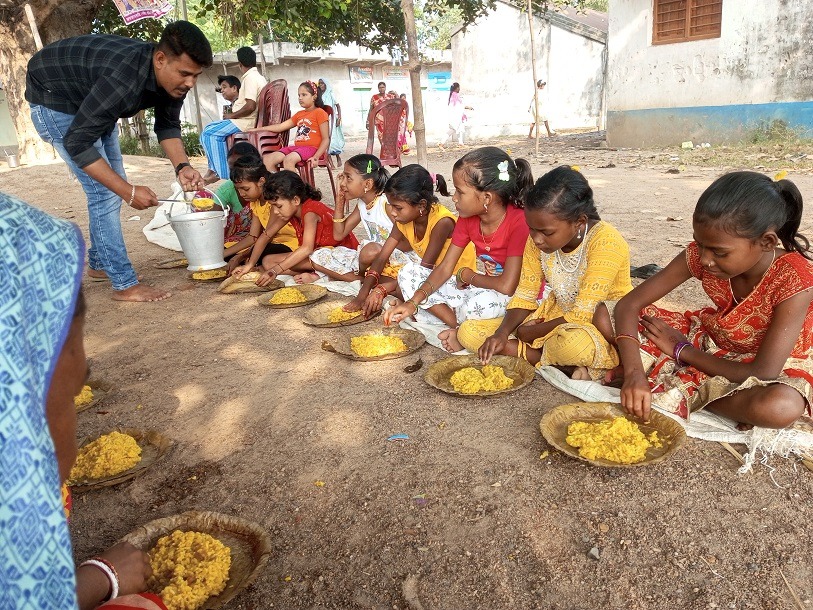
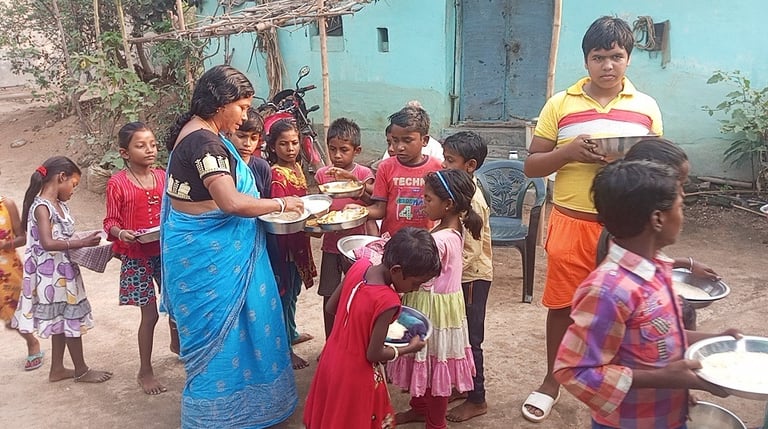
The Monthly Nutritional Lunch Program (MNLP) is a flagship welfare initiative of VEC Trust aimed at addressing food insecurity and malnutrition among poor and underprivileged rural communities. Launched in May 2015 at Rautora village, the program provides a healthy, vegetable-rich free lunch once every month, benefiting around 150 needy individuals on each occasion. The initiative emphasizes community participation, with local volunteers actively involved in preparing, cooking, and serving meals, thereby fostering ownership and social solidarity. Wherever possible, vegetables produced through the Trust’s organic farming projects are used, ensuring both nutritional quality and sustainability. Through MNLP, VEC Trust combines immediate hunger relief with long-term community engagement and dignity-based support.
Support to Rural Entrepreneurs
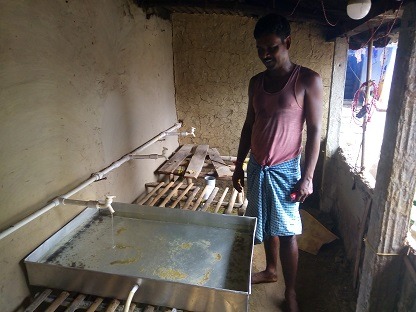
To foster a culture of self-reliance and social entrepreneurship, VEC Trust provides targeted financial aid and essential resources to promising individuals to help them establish their own business units. Seed money ranging from 10000 to 20000 was provided to three rural entrepreneurs to launch an eco-friendly leaf-plate manufacturing unit, set up low-cost IT services, and establish a mushroom cultivation farm with a seasonal capacity of four quintals. See Details.
Donation Camp
Annual Events (Yoga, Sports, Cultural)
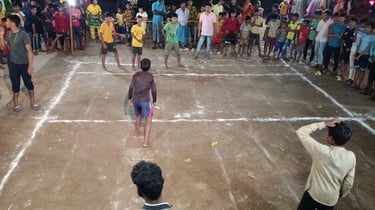
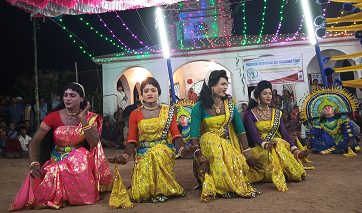
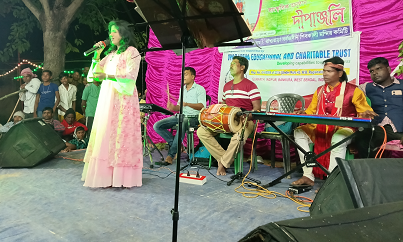
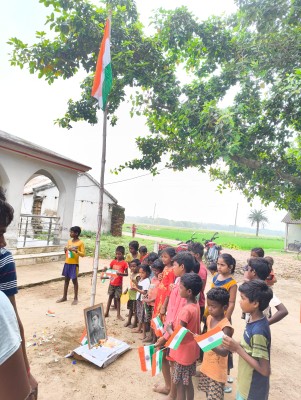
The Trust organizes a wide range of annual and recurring community events as an integral part of its developmental approach in rural areas. These annual events play a vital role in advancing the Trust’s broader mission of physical well-being, cultural preservation, youth development, and community cohesion across rural communities.
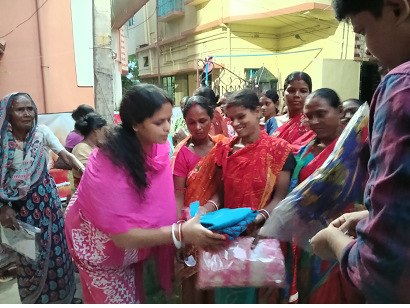
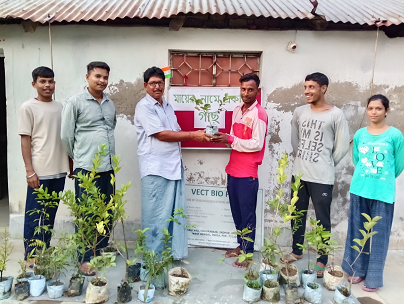
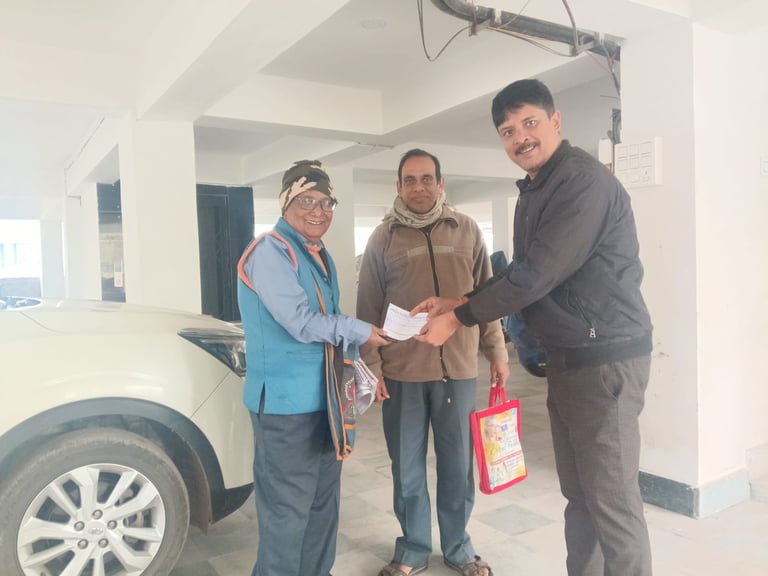
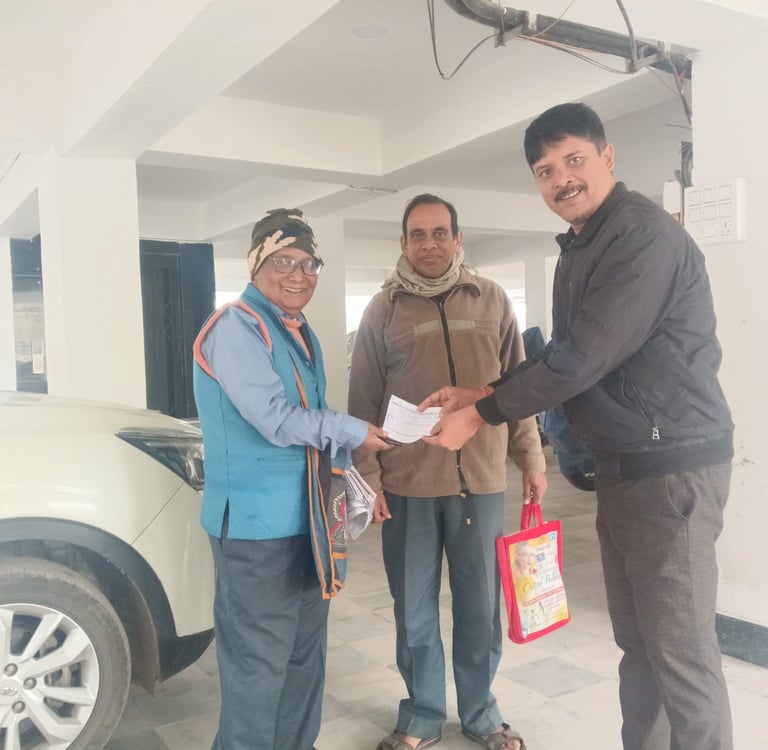
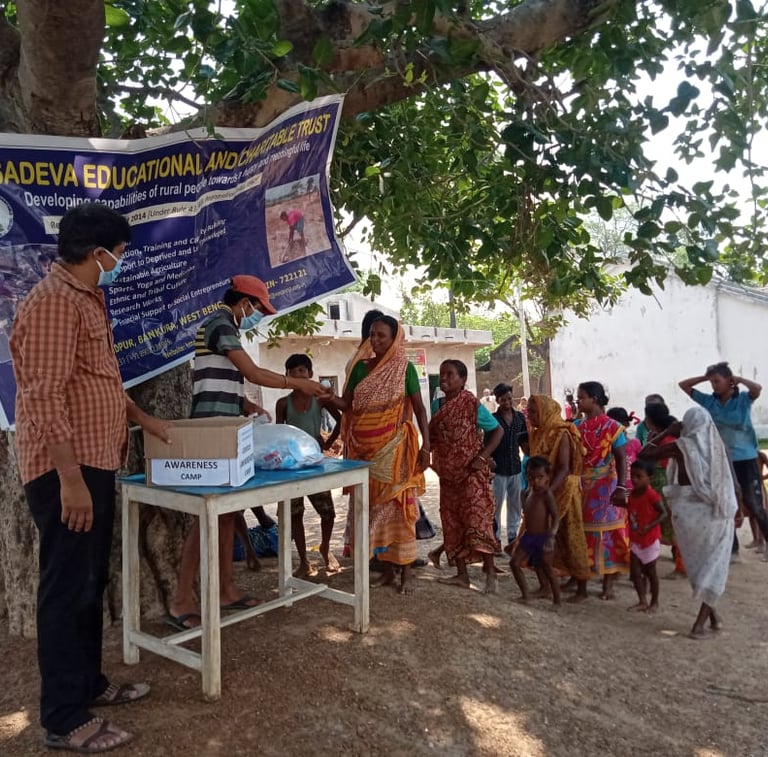
The Trust regularly organises various donation camps designed to support distressed and socio-economically underprivileged rural people by providing for their basic needs and offering crisis relief. These donation camps together form a comprehensive welfare approach addressing food security, clothing, health, education, and emergency needs.
Others...
Sponsored Projects
NCW sponsored State Level Webiner
Projects Completed
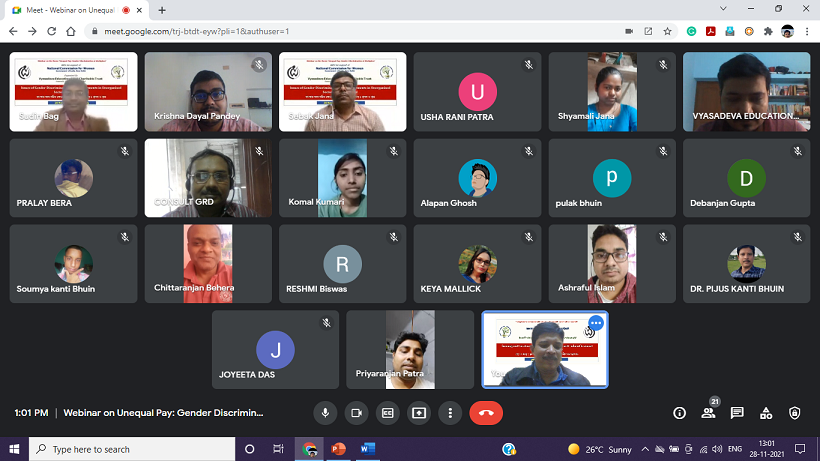
The Trust organized a state-level webinar sponsored by the National Commission for Women (NCW), Government of India, New Delhi. The event was held on 28 November, 2021 under the theme “Unequal Pay: Gender Discrimination at Workplace,” with a specific focus on "Issues of Gender Discrimination in Wage Payments in Unorganised Sectors of Rural Bengal".
Key highlights of the seminar include:
Scale and Participation: The program successfully attracted 126 participants from across India.
Research Impact: The seminar featured expert panels that provided fruitful discussions on gender wage discrimination within the unorganized sector, specifically the primary sector of India.
Outcome: The initiative was noted for producing high-quality research outcomes and was considered a major success in fulfilling the missions of both the NCW and the Trust regarding social empowerment.
Own Projects
Mushroom Cultivation
Launched in 2014, the VECT Mushroom Cultivation Training Centre was established to provide scientific know-how and hands-on experience in Oyster mushroom farming to foster self-employment. The project initially targeted local farmers and housewives, training 110 participants by March 2021. Significant activities included workshops for 35 youth aspirants and the provision of seed money to social entrepreneurs to establish their own commercial units. Although large-scale commercial production was eventually suspended due to marketing and locational challenges, the center remains a success as a support unit, providing ongoing advisory services to interested farmers.
Health Camps
The Trust organizes health and hygiene camps to provide awareness and basic medical guidance to underprivileged rural communities, particularly women and children. The scope of these camps includes teaching hand-washing techniques, domestic hygiene, and menstrual health, often in collaboration with local ICDS workers and medical professionals. Since 2014, these camps have reached over 885 villagers and schoolchildren, including specific programs for adolescent girls that included the free distribution of sanitary napkins. Success stories include a mental health awareness session for 30 teenage girls in 2024-25 and various specialized camps that have effectively addressed hygiene practices in tribal and Muslim-majority villages.
Covid-19 Campaign
The Covid-19 Campaign was a multi-pronged relief and awareness initiative designed to protect rural villagers from the pandemic. The scope included the distribution of essential food kits to 200 distressed people and the provision of 1,500 protection kits containing masks and hand soaps across villages like Rautora, Manipur, and Khirpai. A major success of the campaign was a "Home Visit" team that reached 400 households to explain safety protocols and a "Mask-up India" drive that distributed 500 kits in a single morning at Khirpai. Additionally, the Trust provided logistical support for hospitalization and transportation during the crisis.
Multilayer Vegetable Farming (MVF)
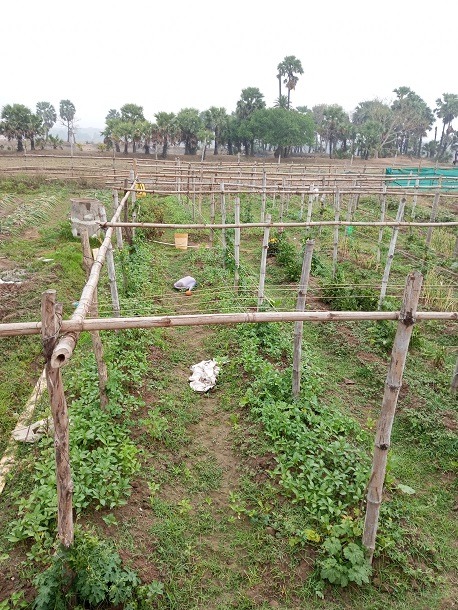
Introduced in 2020-21, the Multilayer Vegetable Farming project is an intensive cropping technique that uses three vertical layers to maximize land, water, and fertilizer use. The scope involves using bamboo stages for upper-layer climbers (like gourds) while growing soil-level and root crops (like turmeric and ginger) simultaneously. This project has attracted significant local interest, with nearly 100 farmers visiting the site to learn the methodology. A notable success story is the introduction of a cost-effective drip irrigation system in 2023-24 to conserve water during dry spells, which helped produce high-quality organic tomatoes and broccoli.
Organic Compost
The Organic Compost project focuses on producing vermicompost and bio-pesticides to encourage local farmers to move away from chemical fertilizers. The scope includes the maintenance of cemented vats for red wiggler vermiculture and the production of bio-insecticides using cattle urine and neem leaf extract. This project has been highly successful in generating approximately 60 labor days annually and providing free technical know-how to over 100 "flying visitors" per year. By 2017, the unit was successfully producing 20 quintals of compost per cycle, which was used in the Trust's vegetable gardens and distributed free to local farmers.
Plantation Programme
The Plantation Programme serves as a "living laboratory" for rural reforestation and sustainable horticulture to combat climate change. The project coverage is extensive, including 90 coconut trees planted in 2018, the "Balika Krishi Udyan" featuring 200 fruit trees (mango and papaya), and the 2022 Gobindpur project where 400 tropical trees like Teak and Mahogany were planted. A recent success is the 2024 "Plant for Mother" (Maayer Name Ekti Gaach) campaign, which distributed 120 fruit saplings to local farmers to create a "green footprint". The tropical trees at Gobindpur have shown "remarkable growth" using purely organic compost.
Research Work and Paper Publication
The Trust conducts action research focused on identifying and solving rural livelihood issues, including health (NRHM), education, and migration. This work has achieved significant academic coverage by publishing 7 articles in prestigious UGC-CARE and Scopus-indexed journals. Success is measured by the presentation of these findings at numerous national and international seminars, which have highlighted critical issues such as the impact of mid-day meals on elementary teaching and gender wage discrimination.
Research Methodology Workshop
As part of its academic outreach through the Vyasadeva Academy for Research and Data Analytics (VARDA), the Trust conducts intensive methodology workshops aimed at strengthening research rigor and analytical competence among scholars, students, and early-career researchers. A flagship initiative is the national-level workshops on SPSS and AMOS. These workshops comprehensively cover research design, data handling, descriptive and multivariate analysis, exploratory and confirmatory factor analysis, SEM, mediation and moderation analysis, and systematic reporting of results, with extensive hands-on sessions using real datasets. Supported by study materials, practice datasets, recordings, and continuous mentoring, the programs successfully bridge the gap between grassroots data collection and advanced quantitative analysis, enabling participants to produce methodologically sound theses and publications.
Readers interested in detailed schedules, course modules, and past workshops are encouraged to visit the Research page for further information.