Programs
Our path to realizing visions
Sustainable Agriculture
VECT Bio-Farm
VECT’s bio-farm is a sustainable agriculture project which operates through an integrated cluster of sustainable livelihood and nutrition projects, including Balika Krishi Udyan (Horticulture), VECT Medicinal Plant Gardens, and the Fakir Bandh Fishery Project. Together, these units promote eco-friendly farming practices, local food security, and income generation for rural communities.
Balika Krishi Udyan is a purely organic horticulture project established at Rautora village, which was later brought under the integrated umbrella of the VECT Bio-Farm. This project focuses on producing a variety of healthy, bio-friendly fruits and vegetables, including Amrapali mangoes, Malaysian breed papayas, oranges, lemons, bananas, and coconuts, as well as vegetables such as cabbage, cauliflower, brinjal, chili, and various gourds. The garden is strictly maintained using bio-fertilizers and organic pesticides like tobacco leaf extract to demonstrate that natural manure can sustain commercial productivity. Its primary objective is to promote organic agriculture, generate local employment, and provide fresh produce free of cost to the Trust's Monthly Nutritious Lunch Program (MNLP).
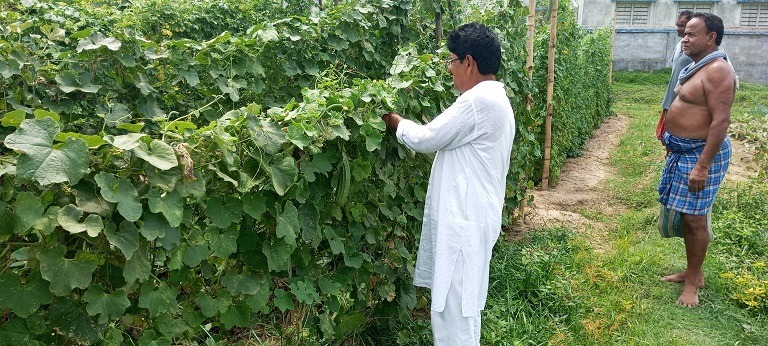
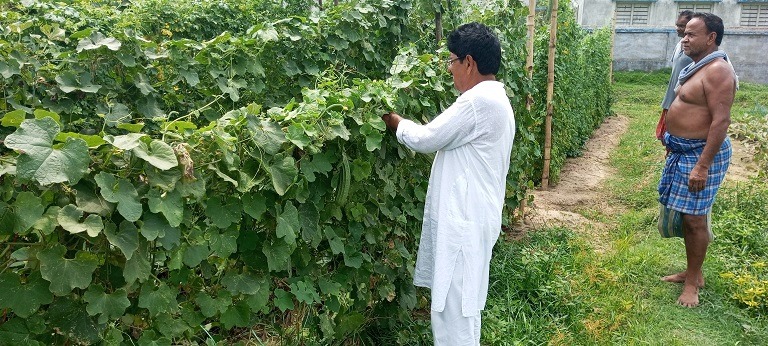
Balika Krishi Udyan (Horticulture)
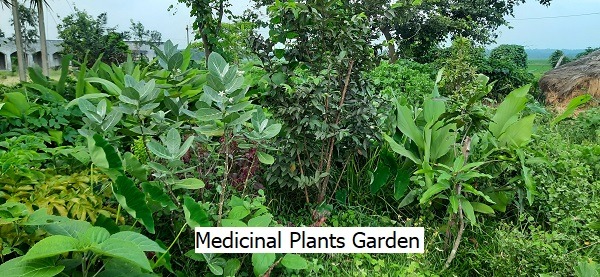
The VECT Medicinal Plant Garden was established as a dedicated unit within Valika Krishi Udyan to revive traditional Ayurvedic practices and provide free natural remedies to the rural poor. The garden hosts a diverse range of medicinal plants, including Hibiscus, Gudhal, Aloe vera, Brahmi, Mandookparni, Akanda, Giloy, Sahjan, Bel, Tej Patta, neem, ashwagandha, and Gulancha. It also produces seasonal medicinal herbs such as Kulehara, Adrak (ginger), Haldi (turmeric), Galanjal, and Mango Ginger. Beyond cultivation, the project includes awareness programs to educate villagers on the therapeutic uses of these plants and has successfully benefited over 120 patients annually with free herbal supplies.
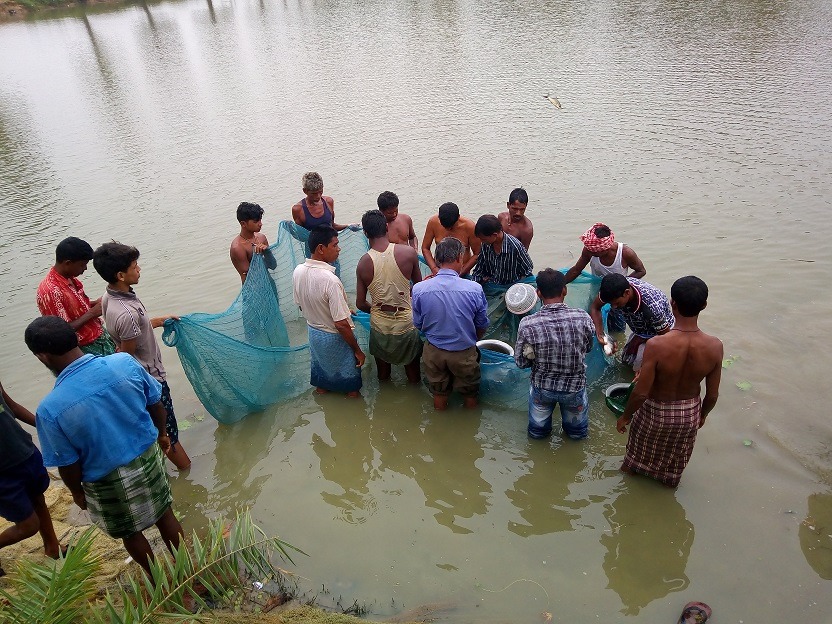
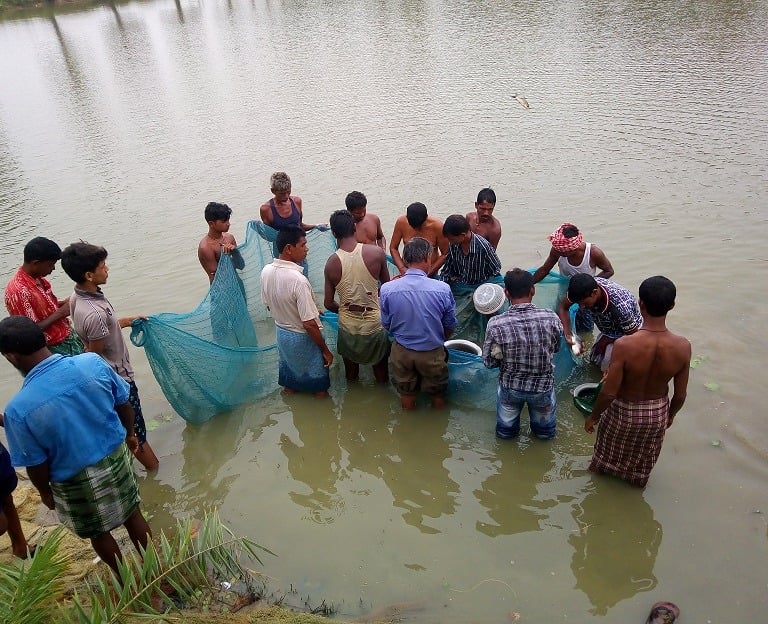
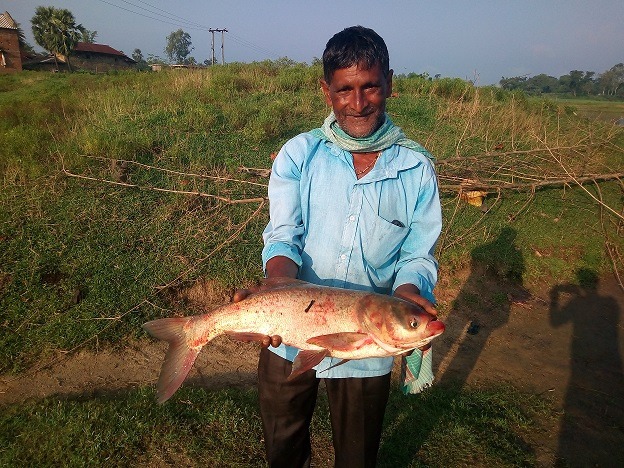
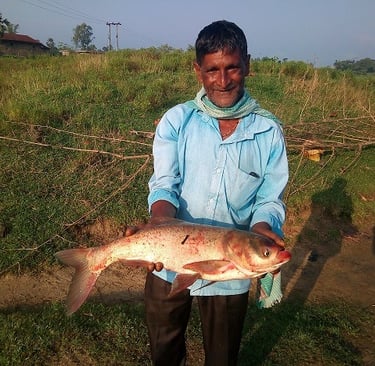
The Fakir Bandh Fishery Project involves the scientific cultivation of fish across three ponds in Rautora to promote sustainable pisciculture and water resource management. The project cultivates several popular Indian common carps and local breeds, specifically Rohu, Katla, Mrigel, Cyprinus Carpio (Cyprinous), Grass Carp, and Black Carp. To build local capacity, the Trust organizes frequent fishery training programs led by experts, covering topics such as Multilevel Fish-Cropping technology, water quality maintenance (including pH measurement), post-harvest handling, and specialized techniques for nourishing fingerlings and baby carps. Recent training modules have also introduced Multilayer Crop Production, which teaches farmers how to cultivate different fish varieties across the three distinct water layers of a pond.
Fakir Bandh Fishery Project
The Plantation Project of the Trust is a long-term environmental and livelihood initiative aimed at restoring green cover, strengthening rural resilience, and creating nature-based livelihood opportunities. The project is designed as a community-centric and learning-oriented model where plantation activities function as a living laboratory for sustainable rural development. It promotes harmony between people and nature by integrating ecological restoration with local participation, traditional knowledge, and scientific practices. Within this framework, tropical plants like Saal, Bamboo, Segun, Palm, Dete, etc. are envisaged as a strategic component due to their fast growth, high ecological value, and wide utility in rural infrastructure, agriculture, and livelihoods.
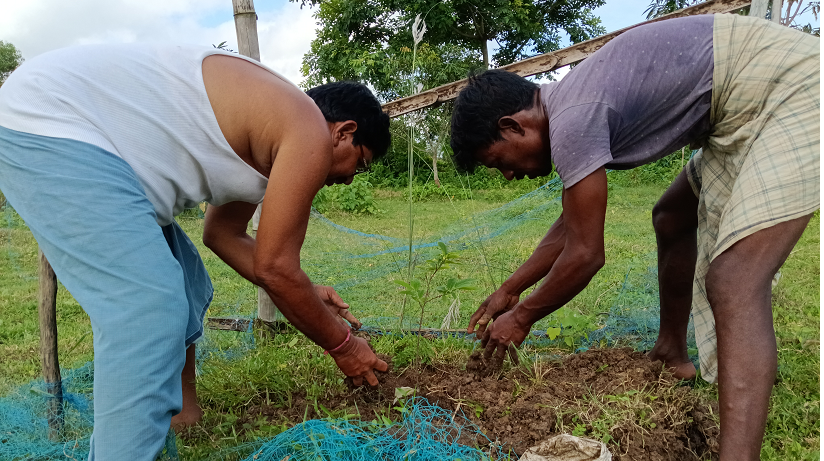
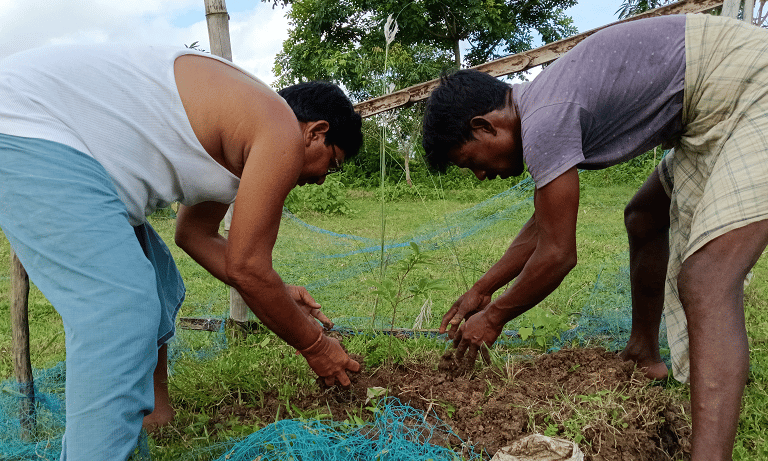
Sustainable Agriculture program is presently being carried out by two concurrent projects - VECT Bio Farm and Plantation,
Plantation
Education and Training
The VEC Trust's training and education programs are primarily designed to foster social empowerment and sustainable rural livelihoods by developing the practical competencies of local communities. A major aspect of this initiative involves vocational training in agriculture, such as the VECT Mushroom Cultivation Training Centre, which provides farmers and housewives with scientific know-how and hands-on experience in oyster mushroom farming for self-employment. The Trust also conducts extensive fishery training programs, educating local fish farmers on advanced techniques like multilevel fish-cropping, fingerling nourishment, and water quality management. Furthermore, capacity building extends to sustainable organic farming, where villagers are trained in preparing biopesticides using cattle urine and neem leaf extract, as well as intensive cropping methods like multilayer vegetable farming (MVF).
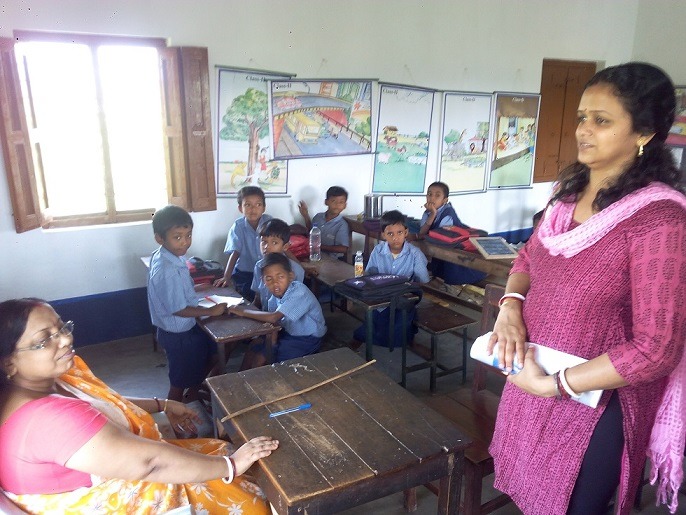
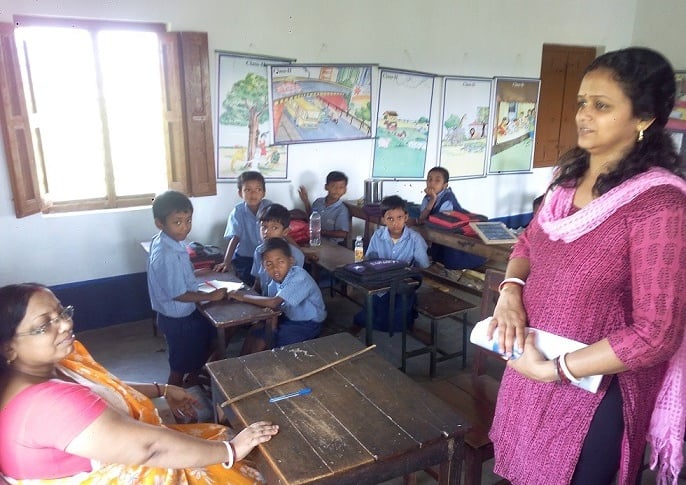
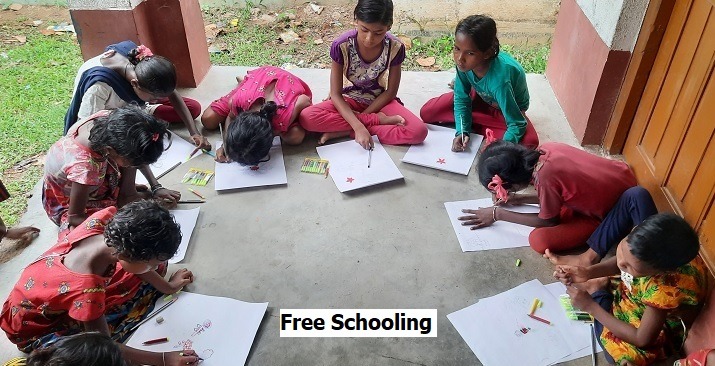
Another significant facet of the Trust's educational mission is its focus on underprivileged children and community health. To bridge learning gaps caused by socio-economic challenges or school closures, the Trust provides free tuition and schooling for primary students, incorporating modern pedagogy and creative sessions. These academic efforts are integrated with health and hygiene awareness, where school children and mothers receive instruction on domestic sanitation, the dangers of plastic use, and menstrual hygiene. Additionally, physical and spiritual education is promoted through physical training camps and the Swamy Vivekananda Yoga and Meditation Centre, which teaches yoga asanas and meditation to foster the holistic development of rural youth.
Employment Generation
The Employment Generation Program of the VEC Trust is a core component of its mission to foster a sustainable rural livelihood ecosystem and develop the capabilities of the underprivileged. The program achieves this through direct labor employment, vocational training for self-employment, and financial seed money for social entrepreneurs.
Direct Employment through Sustainable Agriculture
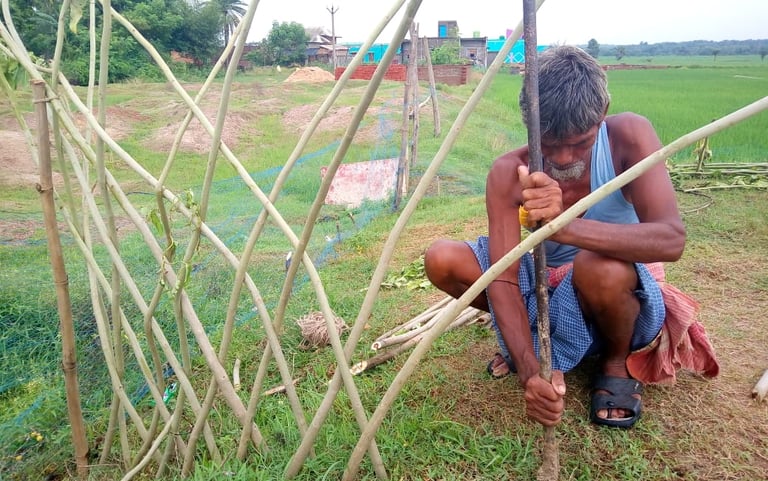
This program aims to foster a sustainable rural livelihood ecosystem by providing consistent work opportunities for local semi-skilled and unskilled wage workers. Its purpose is to demonstrate that organic biotechnology and traditional wisdom can foster environmental resilience while securing an economic future for the community. The primary driver for this initiative is the VECT Bio-Farm, which integrates diverse projects—such as Balika Krishi Udyan (horticulture), the Fakir Bandh Fishery Project, and tropical plantation initiatives—into a single operational umbrella to maximize land and labor productivity.
Self-Employment through Vocational Training
The program aims to facilitate self-reliance among rural aspirants by providing the technical "know-how" and practical skills necessary to lead a meaningful and self-sustained life. Its purpose is to transform local human resources into a skilled workforce capable of generating independent income.
Mushroom Cultivation: The VECT Mushroom Cultivation Training Centre serves as a specialised support unit, offering scientific instruction and advisory services to farmers and housewives so they can master cultivation techniques for commercial profit.
Pisciculture: The Trust utilises specialised training modules led by fishery experts to educate local farmers on advanced techniques, such as multilevel fish-cropping and nourishing fingerlings, to enhance the productivity of their own water resources.
Support to Underprivileged
The VEC Trust provides a multi-faceted support system for the underprivileged and distressed rural population, driven by its core mission to develop human capabilities for a happy and meaningful life. A cornerstone of this effort is the Monthly Nutritious Lunch Program (MNLP), which has served thousands of healthy, vegetable-rich plates of food to those living below the poverty line since its launch in 2015. To address basic survival needs, the Trust regularly organizes donation camps that distribute new clothes and sarees to downtrodden women, especially during the Diwali festival, as well as essential food kits during crises like the COVID-19 pandemic. Educational support is another priority, manifested in free schooling and tuition for primary children from marginalized families, the distribution of educational aids like books and geometry boxes, and specialised physical training camps. Health-related interventions include hygiene awareness seminars, the free distribution of sanitary napkins to adolescent girls, and extensive home-to-home campaigns for pandemic protection. Furthermore, the Trust offers financial assistance for life-saving medical treatments and marriage expenses, while its community support team provides legal advice, dispute resolution, and help in accessing government schemes to empower those facing socio-economic barriers.
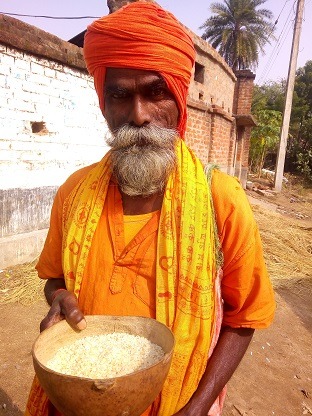
Monthly Nutritional Lunch Programs (MNLP)
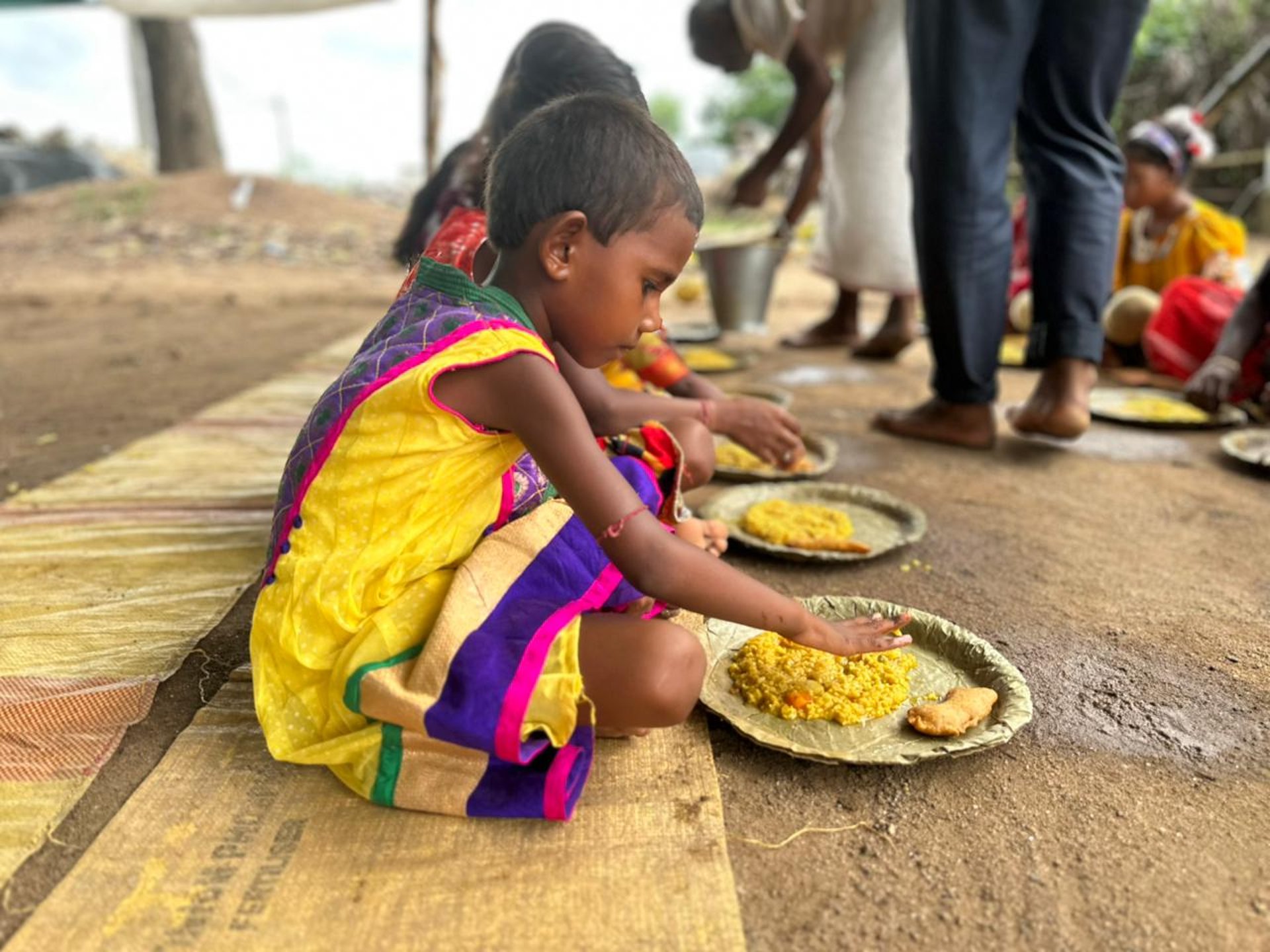
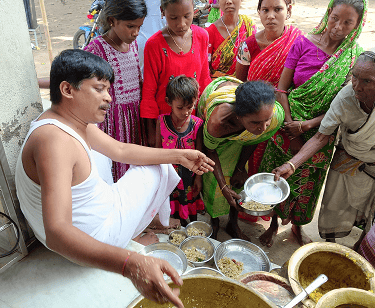
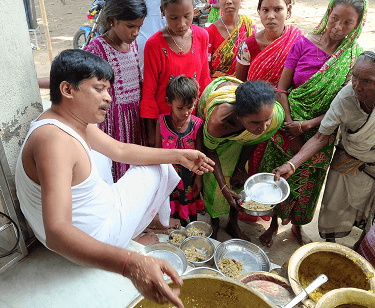
The Monthly Nutritional Lunch Program (MNLP) is a flagship welfare initiative of VEC Trust aimed at addressing food insecurity and malnutrition among poor and underprivileged rural communities. Launched in May 2015 at Rautora village, the program provides a healthy, vegetable-rich free lunch once every month, benefiting around 150 needy individuals on each occasion. The initiative emphasizes community participation, with local volunteers actively involved in preparing, cooking, and serving meals, thereby fostering ownership and social solidarity. Wherever possible, vegetables produced through the Trust’s organic farming projects are used, ensuring both nutritional quality and sustainability. Through MNLP, VEC Trust combines immediate hunger relief with long-term community engagement and dignity-based support.
Promote Sports & Yoga
The Trust’s initiatives in Sports, Yoga, and Meditation are rooted in its core goal of enhancing the spiritual quotient and physical well-being of rural youth and children. This program aims to foster a holistic environment where physical fitness, mental discipline, and spiritual growth contribute to a meaningful and happy life. To institutionalize these efforts, the Swamy Vivekananda Yoga and Meditation Centre was inaugurated on January 12, 2019, at Rautora village, serving as a dedicated hub for regular practice and specialized wellness sessions.
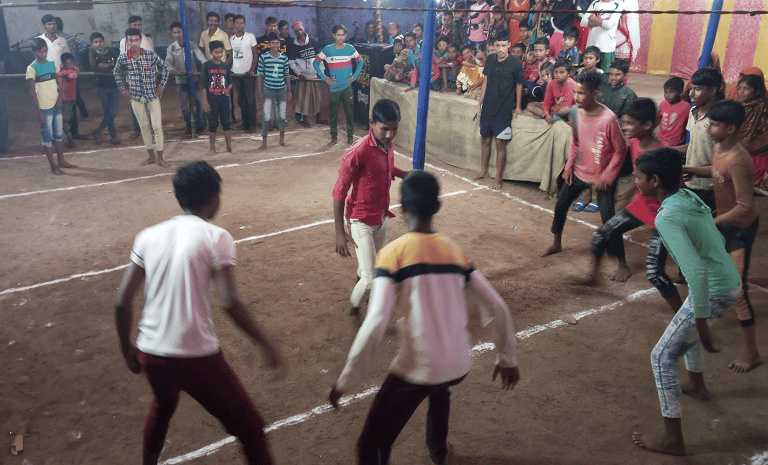
The scope of these activities is extensive, ranging from grassroots physical training to state-level competitive support. Since 2014, the Trust has organized an Annual Sports Meet, featuring between 15 and 24 diverse events such as Kabaddi, gymnastics, frog jumps, and sprints for hundreds of local students and adults. These events are designed not only for physical development but also to promote communal harmony and joy within the village. Additionally, the Trust celebrates International Yoga Day annually, providing instruction on basic asanas and meditation techniques that emphasize strengthening immunity and maintaining correct posture.
A significant aspect of this program is its commitment to inclusivity and specialized health. The Trust frequently partners with the Kharagpur Asattoron Pratibandhi Foundation (KAPF) to assist in organizing and conducting annual para-sports competitions for specially-abled participants. Furthermore, during the COVID-19 pandemic, the yoga initiatives shifted focus toward mental hygiene and immunity-building through virtual and physical camps.
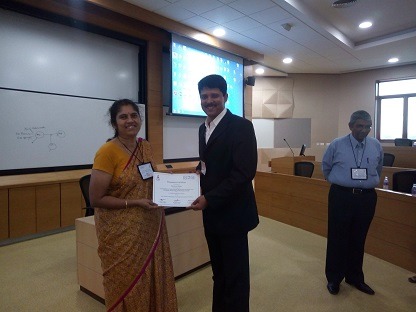
The research initiatives of the VEC Trust focus on identifying and solving local socio-economic issues through action research. Led primarily by Dr. P.K. Bhuin, these efforts have explored critical topics such as the livelihood of migratory agricultural laborers, the impact of the Mid-day Meal Scheme on academic delivery, and the role of the National Rural Health Mission in improving rural health quality. The success of these academic pursuits is evident in the Trust's track record of publishing research in Scopus-indexed and UGC-CARE journals, as well as presenting findings at various national and international seminars. In line with this commitment to academic excellence, the Trust also conducts advanced technical workshops, such as a National Workshop on Structural Equation Modeling (SEM) using AMOS, to foster research rigor among scholars.
The Vyasadeva Academy for Research and Data Analytics (VARDA) serves as the dedicated research and academic support wing of the Trust committed to advancing the quality and impact of social science research.
Promote Ethnic Culture
The Trust identifies the promotion of tribal and ethnic culture as a fundamental goal within its broader mission of rural empowerment. Recognising that traditional cultural heritage—particularly of scheduled castes and tribes—is often at risk of fading over time, the Trust acts to revive and patronise dying art forms to lead the community toward a happy and meaningful life. By organising specialised programs, the Trust aims to boost the morale of artists and provide rural residents with high-quality, meaningful recreation.
Key Cultural Programs and Performances
Over the past decade, the Trust has organised several specialised cultural programs to celebrate and preserve local heritage:
Santali Dance: The Trust frequently invites Santhal artists to perform traditional music and dance programs, such as those featuring troops from the village of Mahishdobra.
Nach-Kathi (or Laach-kathi): This rhythmic group dance is central to the culture of local scheduled castes like the Bauri community. Dancers wear colourful sarees and ghungrus (bells), performing to the loud music of traditional drums such as the dhamsa.
Balika Sangeet (Manasa Yatra): A theatrical art form where teenage girls narrate the Manasa-Mangal epic through poetic songs, a tradition the Trust has actively worked to revive in the village of Rautora.
Yatrapala (Yatra): This traditional open-stage theatre provides a platform for historical and social commentary. Notable productions sponsored by the Trust include Nachmahal, which reflects on historic casteism, and Padadhwani, which explores socio-political struggles.
Pala Kirtan & Leela Kirtan: These narrative shared-singing programs disseminate social values and religious stories, such as the Maan Bhanjan performed by famous artists like Sumitra Das and Krishna Chakraborty.
Baul Sangeet: Dedicated to folk songs emphasising spirituality, salvation, and social harmony, these programs feature traditional Baul artists who lead a simple, pious lifestyle.
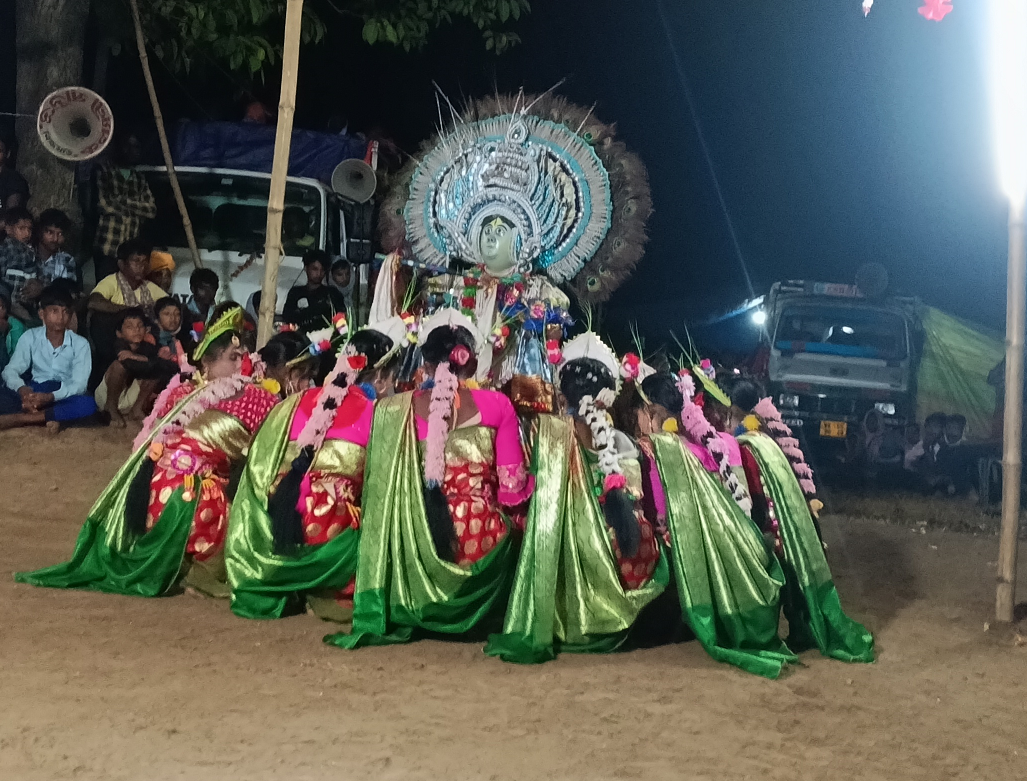
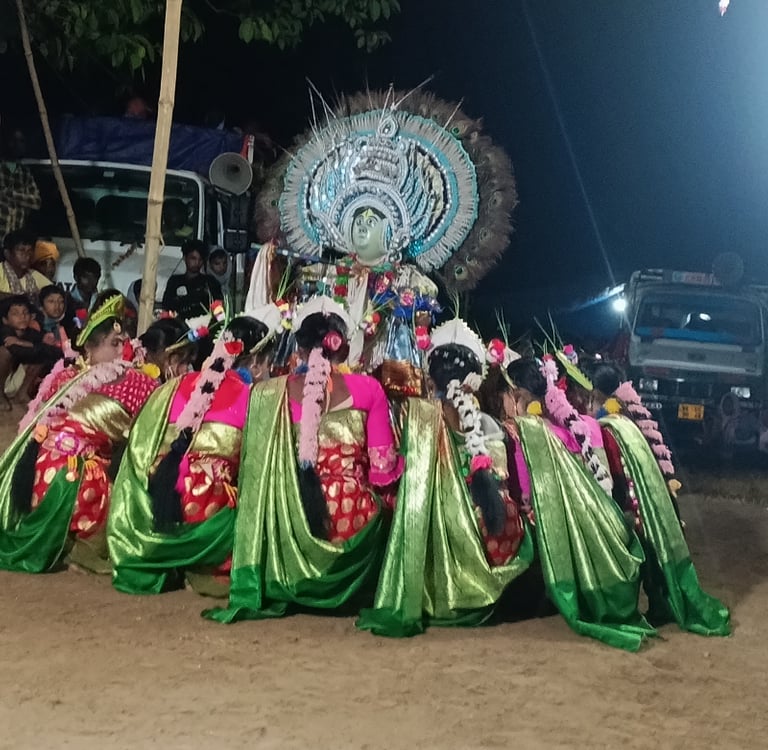
Chhou Dance: The Trust has showcased this world-famous masked dance, specifically featuring artists from the Orang tribal community of Purulia.
Community Impact and Support
The Trust's support for ethnic culture extends beyond staging events to providing direct assistance to performers. This often includes financial rewards, dinner for artists and their families, and the coverage of all logistic expenses. Additionally, the Trust supports and sponsors traditional folk festivals, including:
Bhadu Festival: A celebration in memory of the Princess of Kashipur, featuring traditional songs sung by adolescent girls.
Tusu Festival: A harvesting celebration observed mainly by tribal communities, featuring songs, the immersion of idols, and traditional foods.
Harinaam Sankirtan: A chorus-singing program performed by local tribal castes during festivals like Holi.
By integrating these programs into annual celebrations such as Diwali and Independence Day, the Trust ensures that ethnic and tribal culture remains a vibrant and valued part of rural communal life.
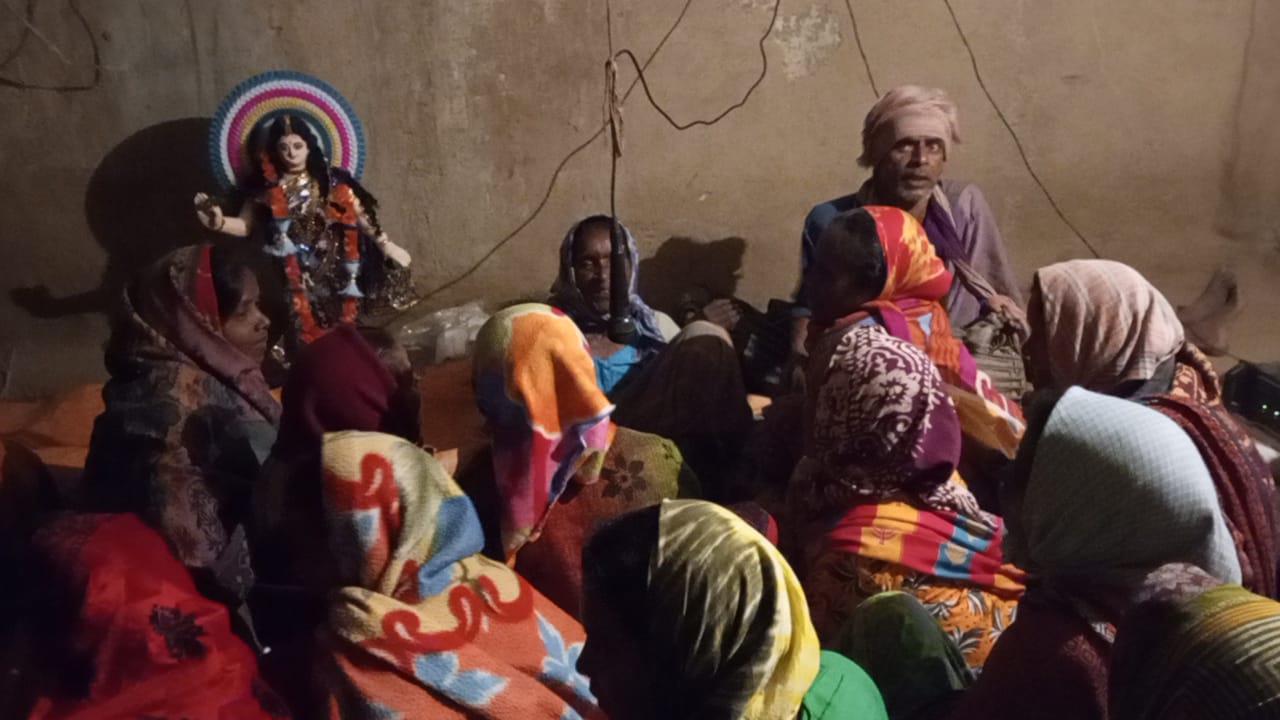
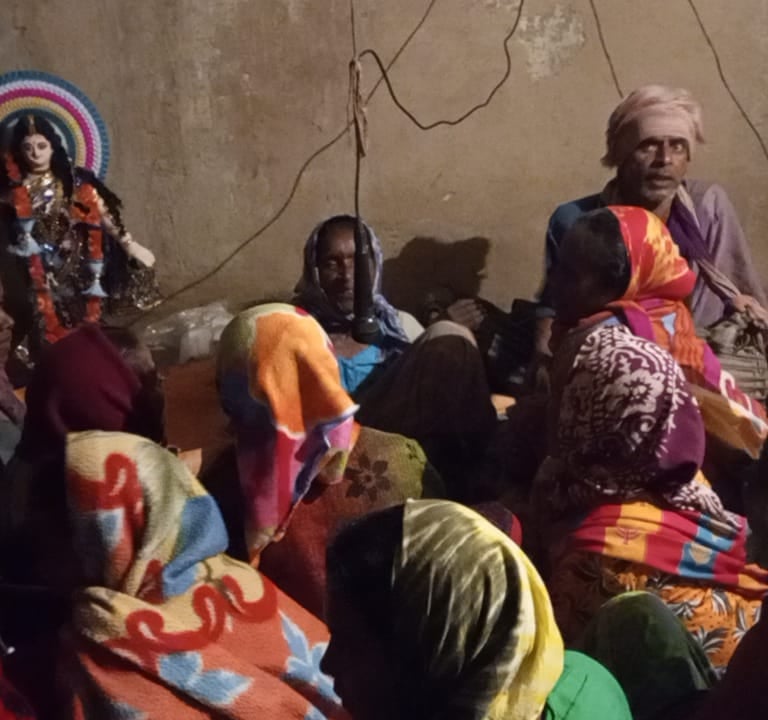
The Trust provides a robust and multi-faceted community support system designed to empower rural residents and bridge socio-economic gaps. A central pillar of this support is a dedicated team, led by Mr. Sandip Bhuin, that offers relentless assistance in resolving local disputes and litigations concerning land, irrigation, marriage, property, and communal issues. Beyond dispute resolution, the Trust serves as a vital administrative link for the educationally deprived, providing legal advice and facilitating applications for various government schemes and protection of rights free of cost. To foster digital empowerment, the Trust donated IT equipment to provide the community with low-cost internet-enabled services, such as document correction and job applications.
During times of crisis, such as the COVID-19 pandemic, the Trust’s support expanded to include constant mental and social guidance, as well as logistical help with hospitalisation, transportation, and document preparation for accessing benefits.
The Trust also extends its reach to the specially abled community by consistently supporting and helping organise annual para-sports competitions. Furthermore, the community is supported through the free distribution of agricultural resources, including organic natural pesticides, compost, and red wiggler vermis, to encourage local farmers to transition to sustainable, bio-friendly practices. In total, these continuous social support systems have directly benefited hundreds of community members across the region.
Community Support
Promote Rural Entrepreneurship
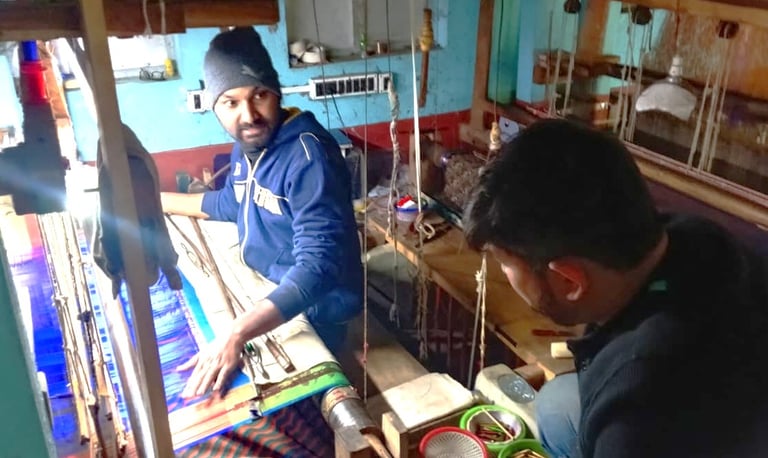
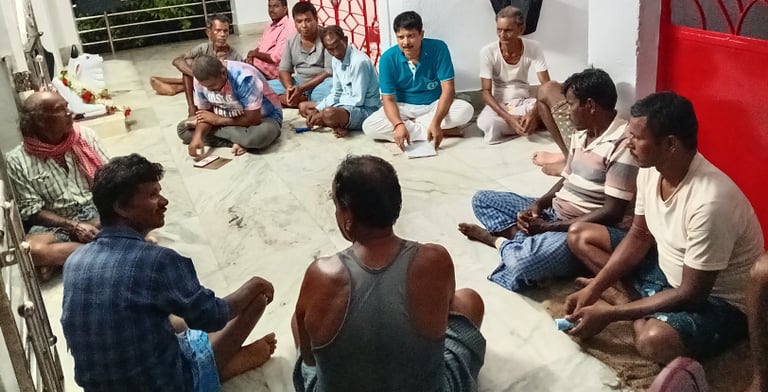
This initiative aims to identify and develop rural livelihood by empowering individuals to become stewards of their own economic destiny. Its purpose is to assist promising social entrepreneurs in transforming viable business proposals into sustainable, self-managed enterprises.
Seed Funding: The Trust maintains a specialized support system that provides financial assistance and seed money to social entrepreneurs to bridge the initial capital gap required to launch new business units.